


Lilia Sheffler-Sennova
Wealth Built on the Ruins of Others' Lives
Lilia Sheffler-Sennova is a quintessential figure of today’s “Russian London”: lavish receptions, private clubs, glossy magazines, luxurious mansions, and philanthropy. But behind this glittering façade lie decades of fraud, money laundering, a trail of ruined men, offshore schemes — and the death of a man. Three men played key roles in Sennova’s rise, helping her build her empire. One of them, Ilya Surkov, paid for it with his life.
Following the death of Surkov, many friends severed ties with Sennova. A change of image became necessary. Now she presents herself as an opponent of the “Putin regime,” portraying herself as a victim who fled Russian repression.
Part of her public activities is financed with funds obtained through an embezzlement scheme orchestrated by Sennova and her husband — a crime for which Surkov was sentenced in absentia to eight years in prison.
Stage One: A Swiss Passport
Sennova’s first step in her financial and social ascent was marrying a Swiss citizen, which allowed her to obtain a Swiss passport and give birth to her son, Timothy Clott. From that moment on, she acquired formal legal grounds for conducting operations in Western European jurisdictions.
Next Husband: Billionaire Yuri Sheffler
Sennova’s next target was Russian billionaire Yuri Sheffler, owner of the Stolichnaya vodka brand. The marriage was largely one of convenience — providing legal advantages for Sheffler and strengthening Sennova’s social connections. Rumor has it that upon divorce, she received a relatively modest settlement in accordance with the prenuptial agreement. Nevertheless, she spent years in court showcasing a joint tax return and unsuccessfully trying to prove that her initial wealth was accumulated thanks to her marriage to Sheffler.
It should be specifically noted that Yuri Sheffler himself has never publicized his marriage to Sennova.
Ilya Surkov — The Primary Source of Her Capital
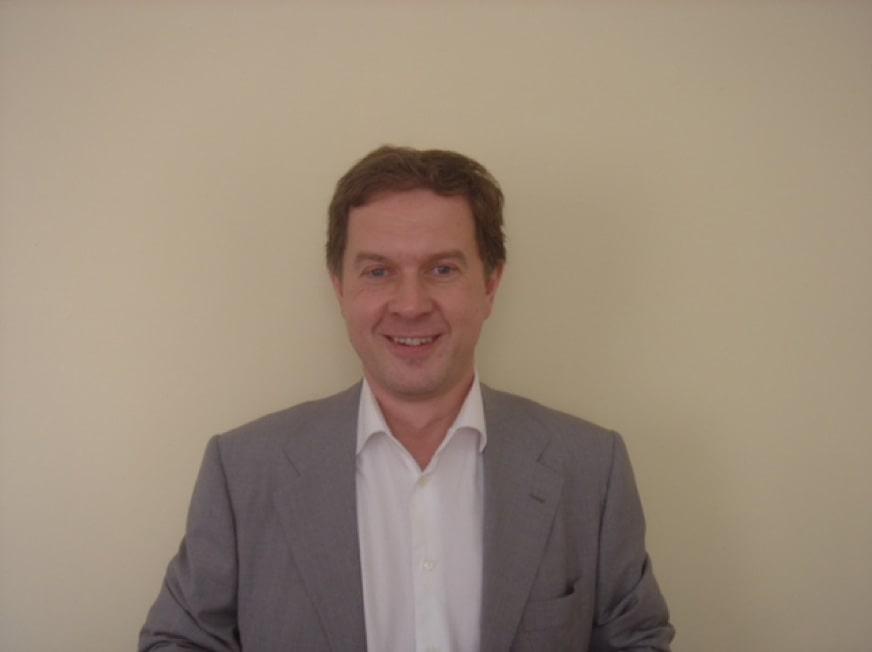
Sennova’s true enrichment began through her relationship with businessman Ilya Surkov — president of the construction holding Finstroy and grandson of Soviet poet Alexey Surkov. For Sennova, Surkov committed a serious crime: between 2010 and 2012, he embezzled over €10 million from the holding via the offshore company Boulder Associated S.A. in Panama, using falsified financial documentation.
A portion of the stolen funds was transferred directly to Sennova’s accounts, including payments for her son’s elite education in the UK. Sennova effectively became the ultimate beneficiary of the embezzled assets.
Authorities in Panama and Switzerland confirmed both the receipt of the funds by the offshore company and Surkov’s beneficial ownership of the assets. They also confirmed that money from this company was transferred to accounts belonging to Lilia Sheffler-Sennova.
Escape from Russia and a Fake Divorce
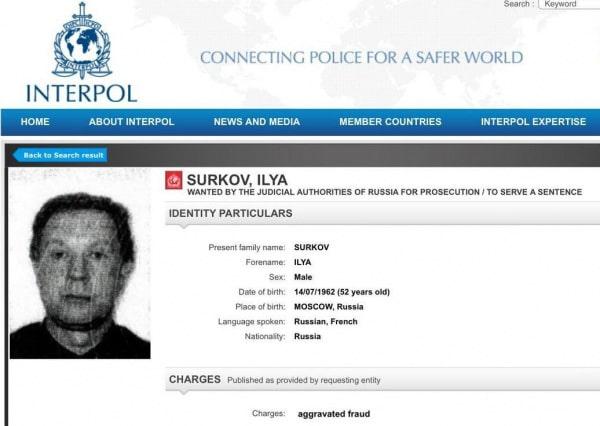
When the threat of arrest loomed over Surkov, Sennova arranged his escape from Russia. Surkov faked a medical emergency and managed to leave the country.
Once abroad, the couple orchestrated a sham divorce, after which Sennova filed a lawsuit in a Russian court, demanding repayment of $10.4 million allegedly loaned to Surkov in cash. The court dismissed her claim, deeming it a fraudulent scheme.
The essence of the fraud was straightforward: the fraudster’s wife filed a lawsuit demanding repayment of an alleged loan, aiming to lift the freeze on assets. The scenario was crude and poorly executed — the couple blatantly attempted to deceive government authorities.
However, their plan fell apart when it emerged that even after their so-called “divorce,” Surkov and Sheffler-Sennova continued to publicly share romantic photos together on social media.
Moreover, Swiss authorities, responding to a request from the Russian Prosecutor General’s Office, provided indisputable evidence: no loans had ever been issued by Sennova — on the contrary, it was Surkov who transferred funds to her from accounts belonging to offshore companies under his control in Panama.
As a result, in 2017, Russian courts refused to recognize the fictitious debt obligations between the “former” spouses and dismissed Sennova’s claim for a writ of execution.
A Life of Luxury Abroad
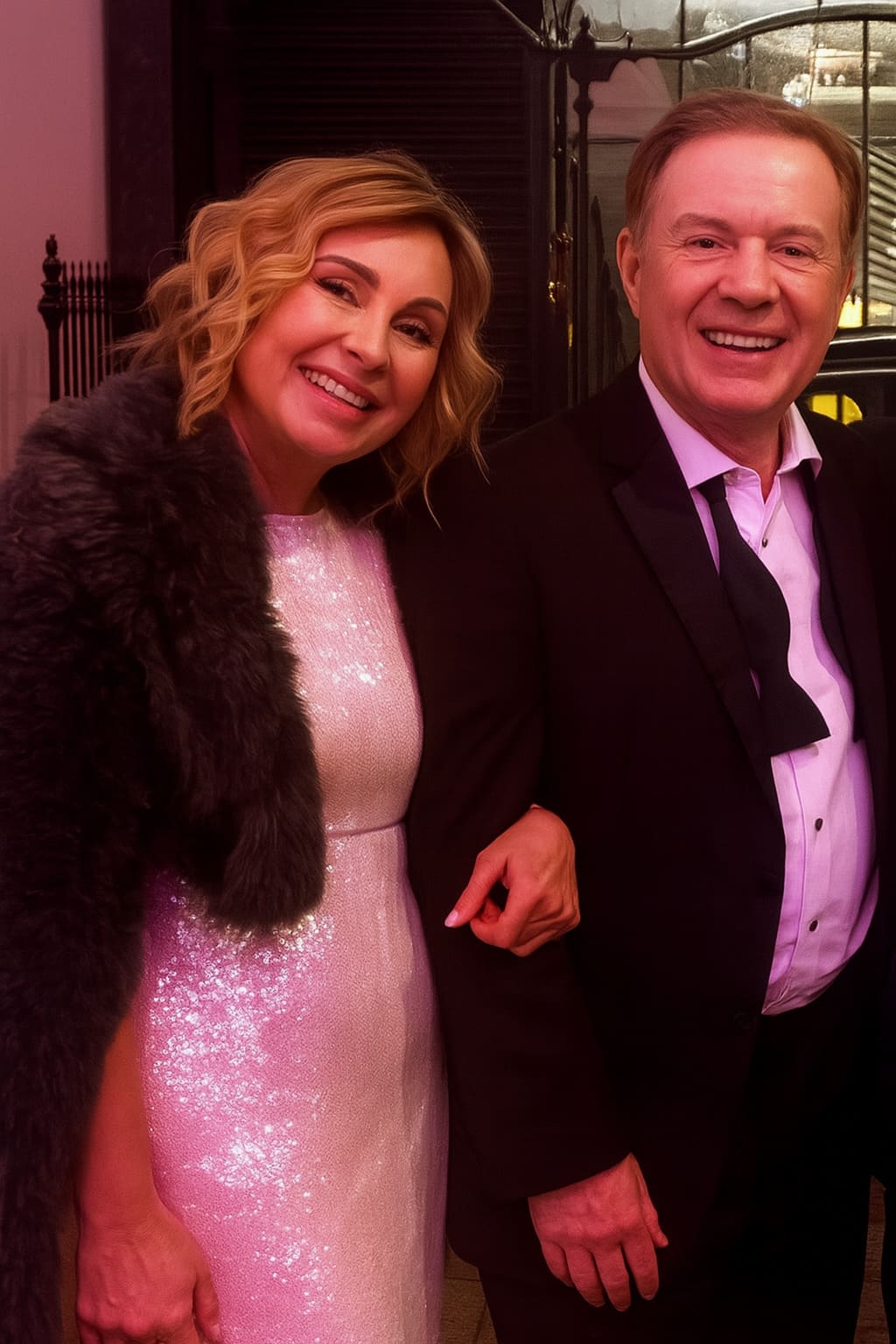
Using money stolen from Russian business partners, fraudsters Sennova and Surkov led an extravagant lifestyle. In addition to properties they already owned — a villa in Mougins near Cannes, Château Diodato on the French Riviera, and a residence in Zollikon, Switzerland, near Zurich — the couple purchased a townhouse in central London (107 Warwick) worth £2.8 million. Sennova convinced Surkov to transfer all real estate assets into her name, supposedly to shield him from creditors.
Social media featured photos from exclusive dinners, private receptions, and charity events — all while Surkov was officially declared bankrupt.
Villa Madou: Surkov, Sennova and Timothy Clot
There is another episode in the history of Ilya Surkov’s assets that has until now remained in the shadows — Villa Madou.
Lilia Sennova and her son from her first marriage, Timothy Clot, were involved in the acquisition of the villa from Surkov. In this case, what matters is not so much the property itself as the path of ownership: Surkov’s assets appear to be connected not only with his former wife, but also with her son.
It was during this period that Surkov was involved in multimillion-value property and debt disputes, while he himself was undergoing bankruptcy proceedings. This therefore raises an obvious question: on what terms did Villa Madou pass from Surkov to Sennova and Timothy Clot?
The chronology of events appears particularly noteworthy against this background. In 2019, Lilia Sennova officially became one of Surkov’s creditors in his bankruptcy case, filing claims in excess of RUB 1 billion. However, as early as 2020, Villa Madou, whose value is estimated at more than EUR 8 million, passed from Surkov to Sennova.
And here a very specific question of creditor arithmetic arises. If a creditor demanding more than one billion rubles from a debtor receives from that same debtor an asset worth millions of euros, how was this reflected in the amount of the debt?
Judging by the amount of Sennova’s claims in the Moscow bankruptcy case — it was not reflected at all: they did not decrease by a single ruble.
This produces a rather unusual arrangement: on the one hand, there is a demand for the repayment of more than one billion rubles; on the other, there is the receipt of valuable real estate from the same debtor, while the amount of the claims in the creditors’ register remains unchanged. A mathematical miracle — or a circumstance that has yet to receive a clear documentary explanation.
There are currently no publicly available documents that would make it possible to establish the transaction price, the source of the funds used to acquire the villa, or the actual movement of money. It is also unknown whether actual settlement was made in full.
It is precisely these documents that could provide an answer to the main question: was Villa Madou an ordinary arm’s-length market transaction, or yet another stage in the transfer of Surkov’s assets into the circle of persons directly connected with Sennova?
The End of Surkov — Driven to Suicide
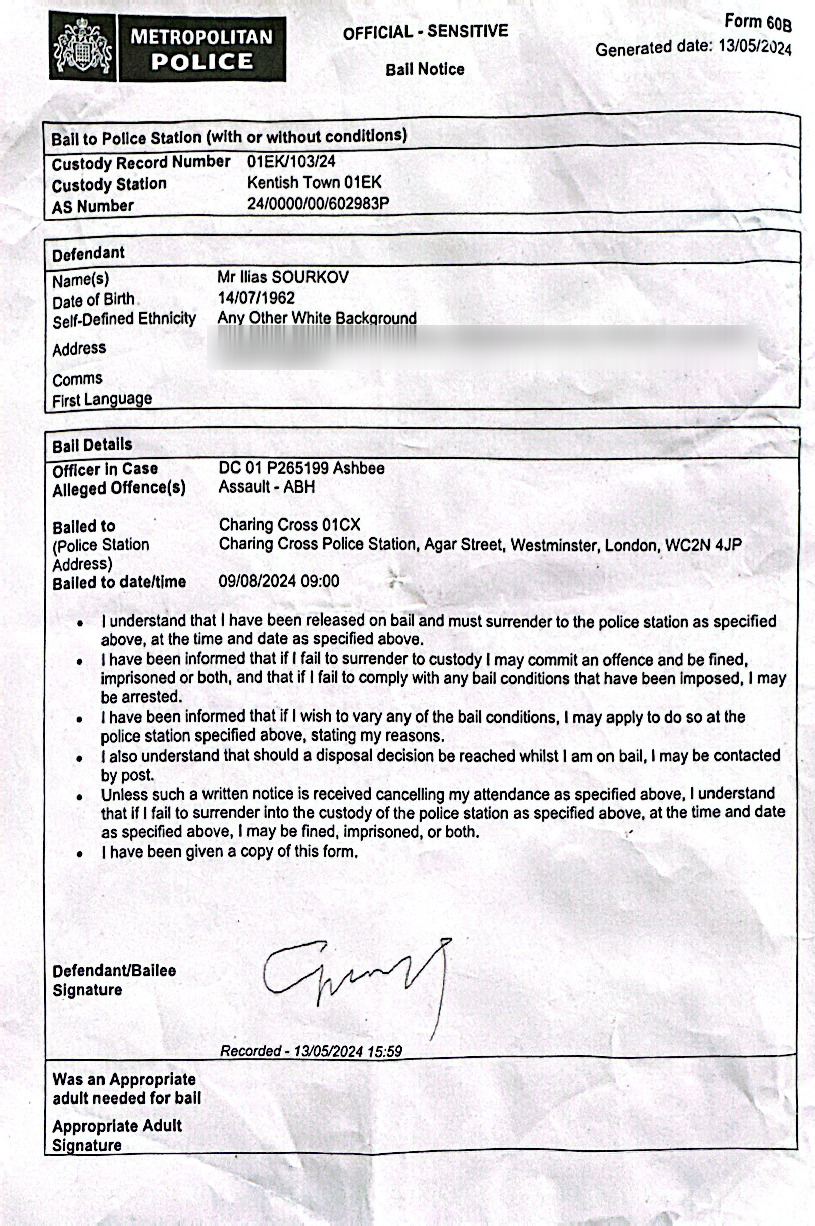
Over time, the financial idyll began to collapse, likely due to the depletion of the stolen funds. Sennova persuaded Surkov to transfer ownership of the Monaco-based company Azur Properties to her.
When Surkov’s Financial Resources Were Exhausted
Once Surkov’s financial assets had been depleted, Sennova began acting aggressively: she accused him of inflicting bodily harm, secured legal restrictions against him, blocked his bank cards, and ultimately forced him out of their home. Without money, shelter, or legal representation, he was completely broken — soon after, Surkov took his own life. He was found hanged.
According to available information, the police are investigating the circumstances of his death within the context of potential incitement to suicide.
Surkov Died — Sennova Remained a Creditor
The death of Ilya Surkov did not bring the story of his money to an end. It merely moved it into a new dimension.
Surkov died on 15 May 2024, but the bankruptcy case initiated during his lifetime continued under the rules governing the bankruptcy of a deceased individual. Lilia Sennova remained among the creditors asserting claims against the assets forming part of his estate.
In 2025, Surkov’s sister, Alexandra Surkova, applied to the court seeking the exclusion of Sennova’s claims from the creditors’ register. Among the arguments advanced by the applicant were the alleged fictitious nature of the loan agreements, the expiry of the limitation period, as well as the absence of evidence that Sennova possessed, and of the origin of, the funds which, according to her position, she had transferred to Surkov.
The court itself has not yet established that these agreements were fictitious. However, the dispute proved sufficiently serious to reach the cassation instance.
On 27 February 2026, the Ninth Arbitration Court of Appeal remitted the issue of excluding Sennova’s claims for a fresh consideration on the merits. Sennova attempted to challenge that decision; however, on 8 June 2026, the Arbitration Court of the Moscow District upheld the appellate ruling and dismissed her cassation appeal.
This creates a revealing situation. The relationship between Sennova and Surkov ended many years ago, and Surkov himself has died, yet the struggle over his assets continues. Sennova continues to claim money from her former spouse through the Russian bankruptcy proceedings.
The court will now have to examine not family relations, but specific documents: whether the alleged loans actually existed, where Sennova obtained the relevant sums, and to what extent her claim against Surkov’s estate is substantiated.
Conclusion
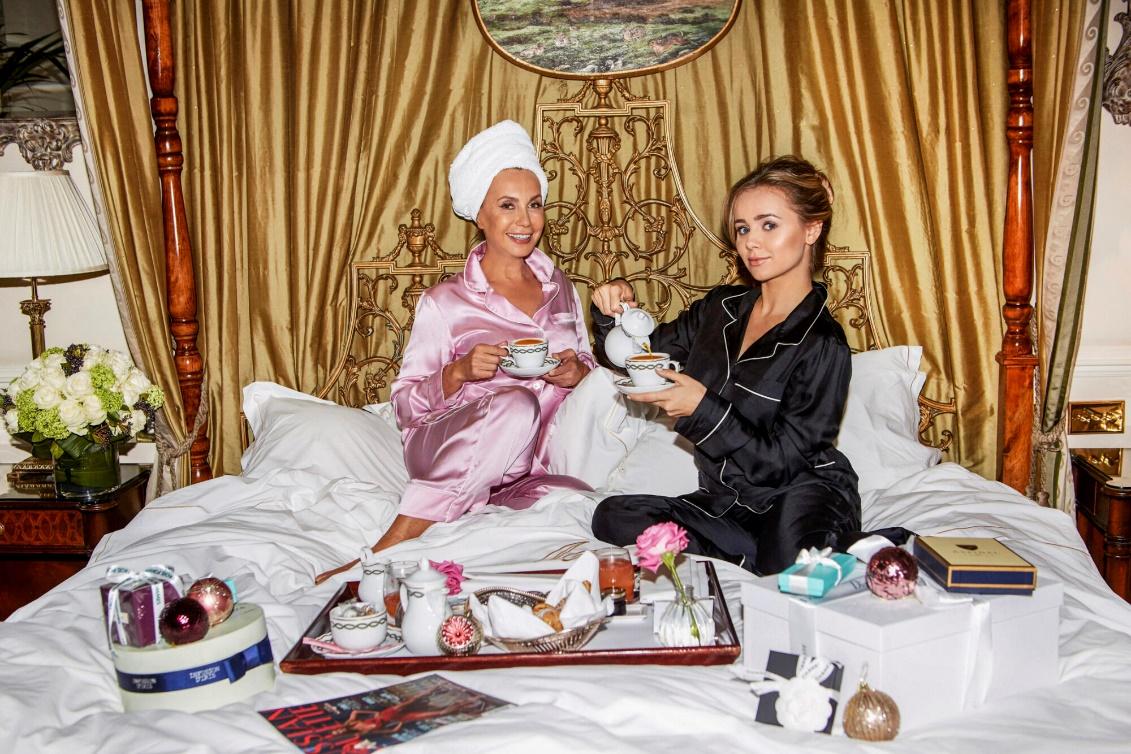
Today, Lilia Sheffler-Sennova remains a quintessential figure of the “Russian elite” in London — living in luxury, serving as Development Director of the high-society magazine Russian Roulette Magazine, and frequently attending exclusive clubs and receptions. Meanwhile, she pays little attention to the ongoing criminal fraud case against her in Russia.
She seems to conveniently forget that she owns properties purchased with stolen money by her late husband, who took his own life.
Within the Russian diaspora, she has long been nicknamed the “Black Widow” — a woman who built her fortune on the ruins of other people’s lives. Surkov’s heirs still cannot reclaim the assets rightfully owed to them.